
20 May 2026 · By Michael Thompson
From Black and White to Streaming The Journey of TV Legends.
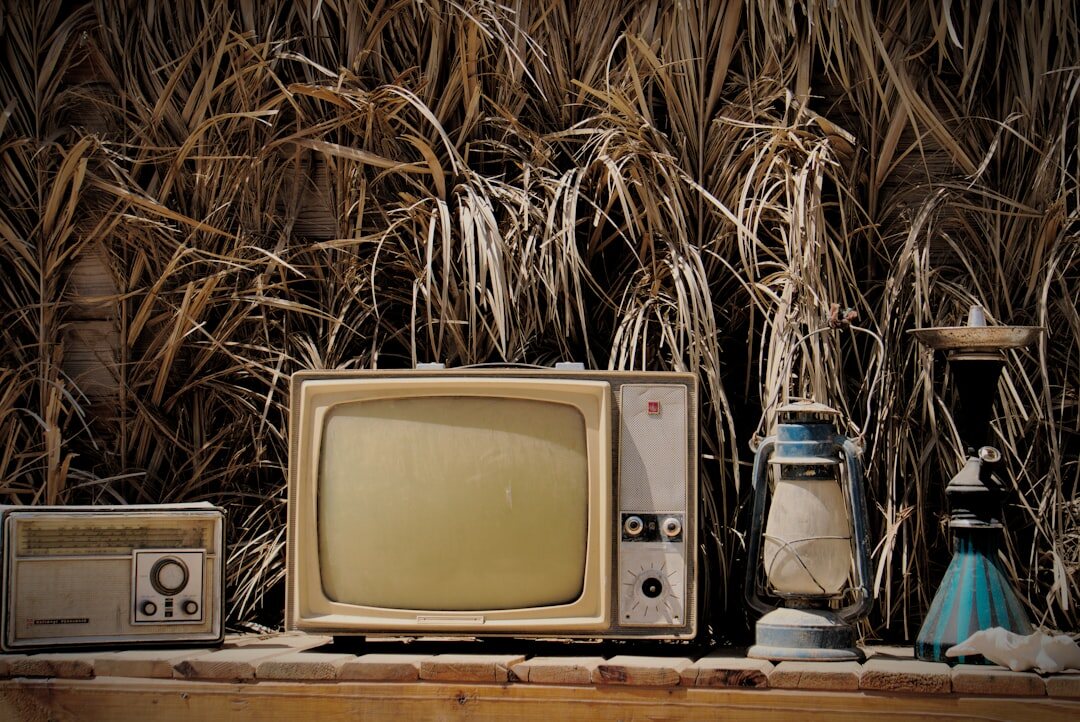
Television has come a long way since its humble beginnings in the mid twentieth century. What started as a simple box in the living room has transformed into a gateway to endless entertainment options available at our fingertips. The journey from black and white broadcasts to today's streaming platforms is filled with innovation, cultural shifts, and unforgettable moments that have shaped how we consume stories.
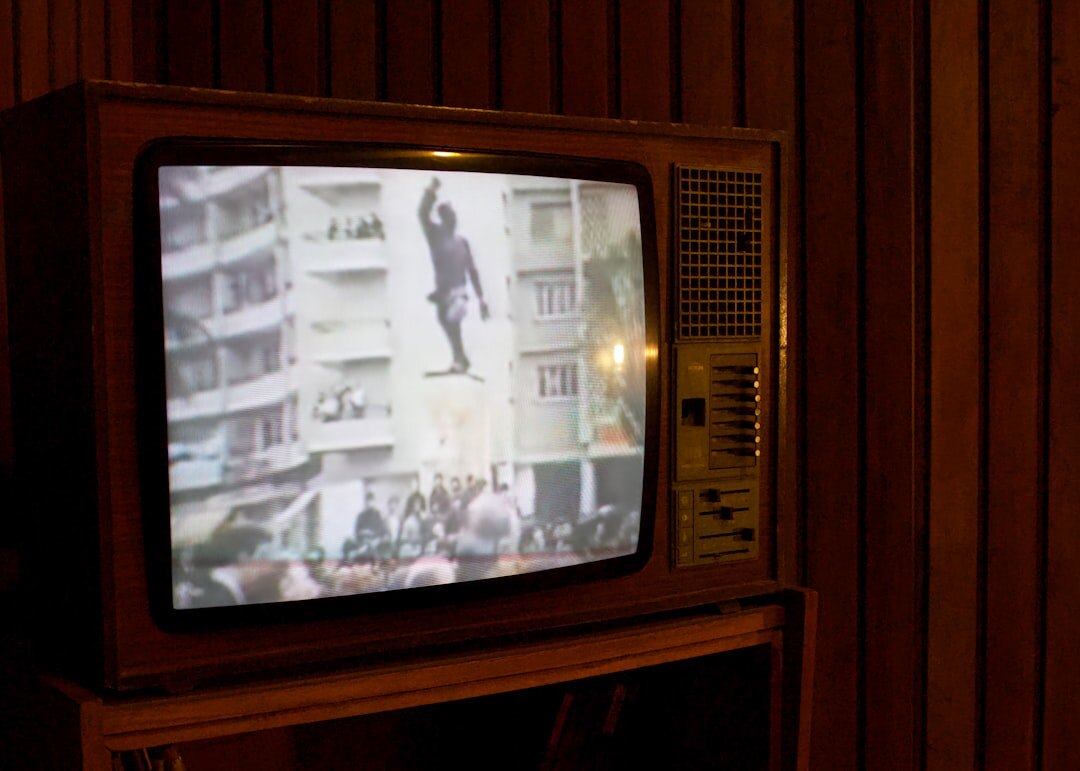
The Early Days of Broadcast TV
In the 1950s and 1960s, families gathered around bulky sets to watch shows like I Love Lucy or The Twilight Zone. These programs were limited to a few channels and aired at specific times, creating a shared experience across households. Bold storylines and simple sets defined this era, where creativity thrived despite technical constraints. Viewers had to plan their evenings around favorite series, building anticipation that modern on demand viewing rarely matches.
Key Innovations in the 1970s and 1980s
As color television became widespread, the medium exploded with new possibilities. Shows like All in the Family tackled social issues head on, while Dallas introduced dramatic cliffhangers that kept audiences hooked week after week. Cable networks began to emerge, offering alternatives to the big three broadcasters. This period also saw the rise of soap operas and game shows that filled daytime slots, turning TV into a constant companion for many homes.
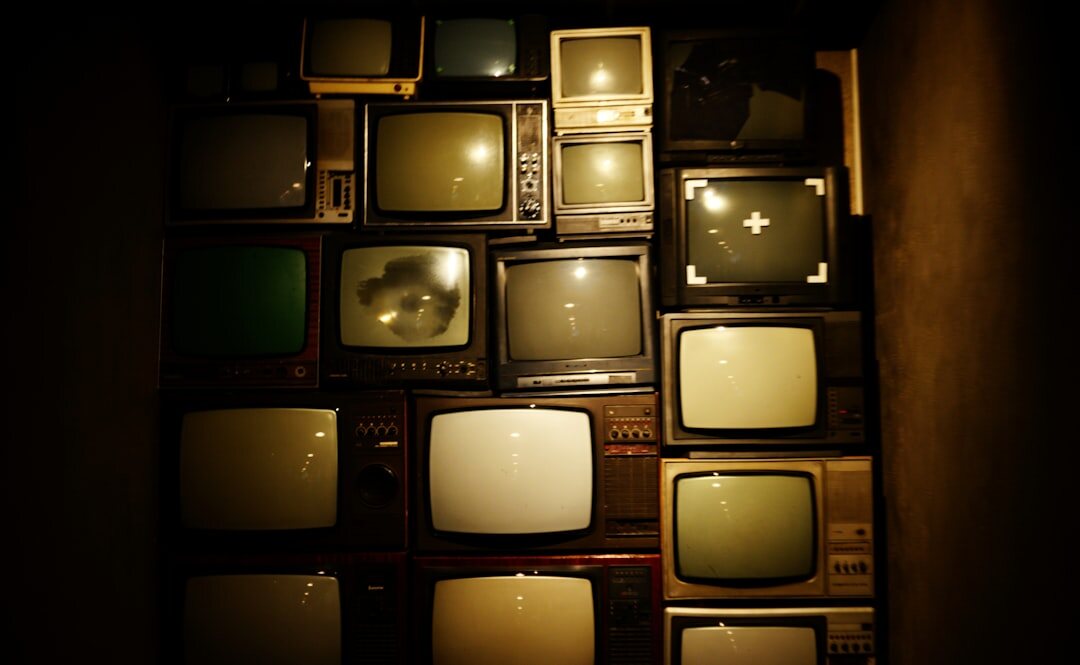
The Cable Revolution and Niche Programming
By the 1990s, cable channels like MTV and CNN changed everything. Music videos and 24 hour news created new viewing habits. Series such as The Simpsons and Seinfeld brought sharp humor and cultural commentary into prime time. The introduction of remote controls and VCRs gave people more control over what and when they watched, laying the groundwork for the flexibility we enjoy today.
Television legends are not just the shows themselves but the moments they created in our lives.
Entering the Digital Age
The turn of the millennium brought reality TV sensations like Survivor, which blurred the lines between scripted drama and real life. High definition broadcasts improved picture quality dramatically, making every detail pop on screen. Networks started experimenting with online content, though streaming was still years away from dominance.
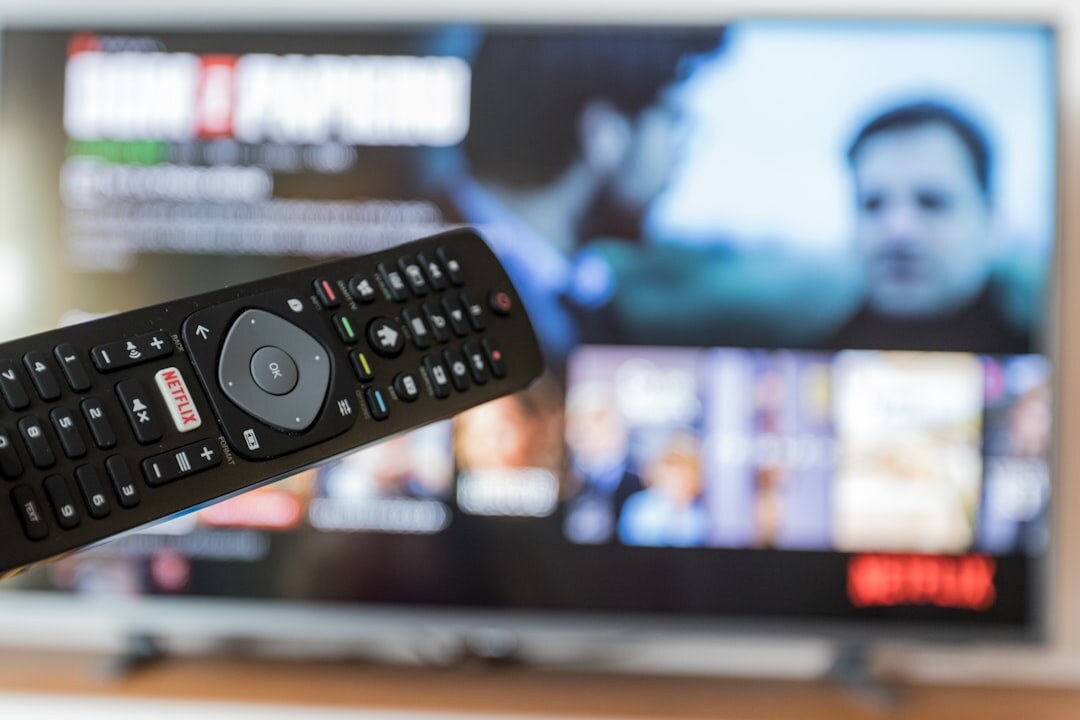
The Streaming Era Takes Over
Platforms like Netflix and Hulu disrupted traditional models by releasing entire seasons at once. This binge watching culture allowed deeper storytelling in shows like Breaking Bad and Stranger Things. Today, algorithms suggest content tailored to individual tastes, while global access means legends from around the world reach new audiences instantly. The shift has empowered creators but also raised questions about content overload and screen time balance.
Looking back, each phase of television's history reflects broader societal changes. From fostering family bonds in early days to sparking global conversations now, TV legends continue to evolve. As technology advances further with virtual reality integrations, the journey promises even more exciting chapters ahead.